

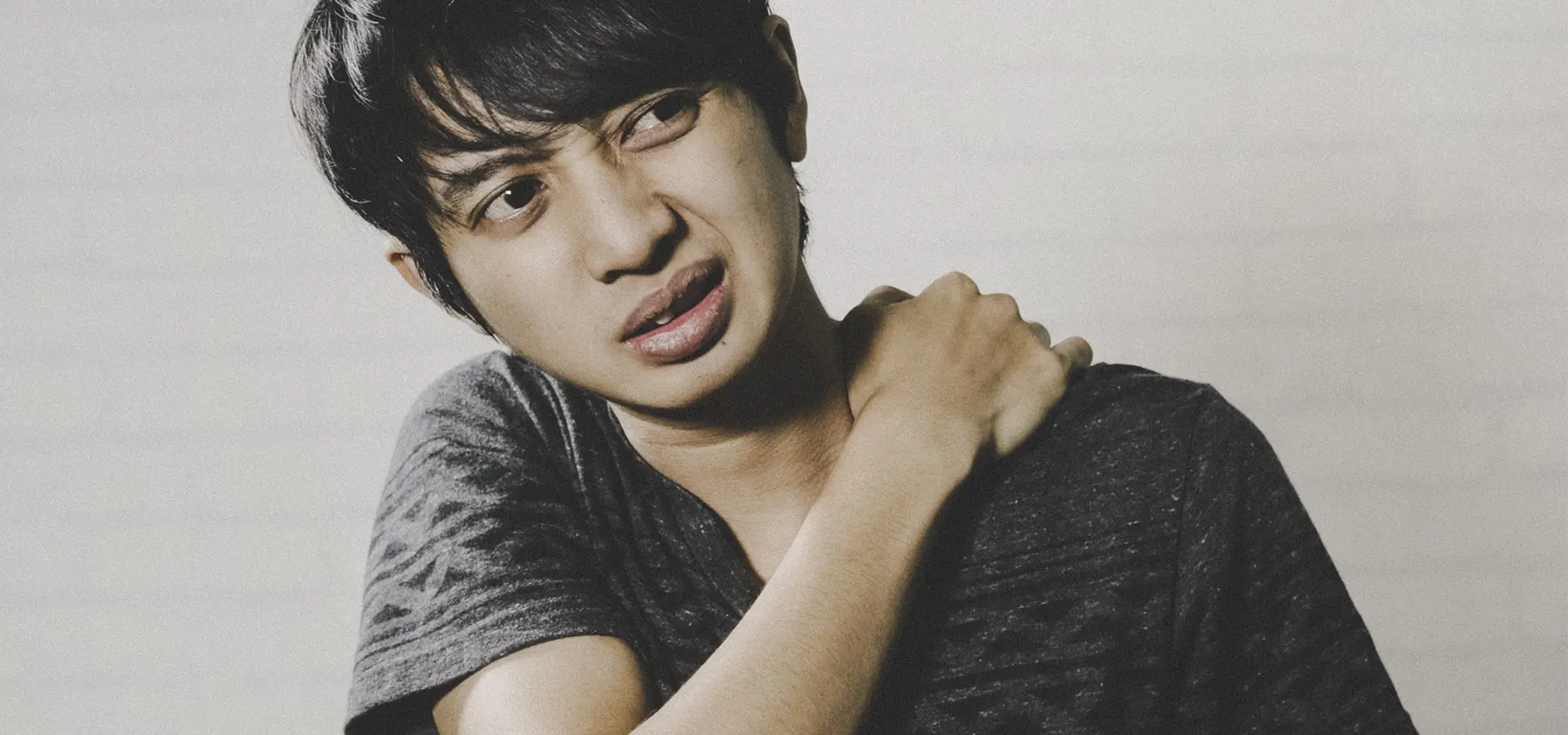
Bursitis: How to Deflate Pain and Restore Friction-Free Movement
Swollen bursae at the shoulder, hip, or elbow can derail workouts and steal restorative sleep. Fortunately, modern physical-therapy protocols calm inflammation, correct joint mechanics, and strengthen the muscles that keep friction at bay—often without repeated steroid shots or surgery.
Why Active Rehab Outperforms “Ice and Wait”
- Shoulder (Subacromial) Bursitis: An 8-week physiotherapy program produced significant pain relief and functional gains—comparable to steroid injections—while avoiding the high recurrence seen with injections alone (PubMed).
- Hip (Trochanteric) Bursitis / GTPS: A 2024 meta-analysis confirms exercise is superior to “wait-and-see” and beats steroid injections for long-term improvement (PubMed).
- Elbow (Olecranon) Bursitis: Most cases resolve with conservative care—ice, compression, and load management—making surgery and repeated injections the exception, not the rule (PubMed).
Bottom line: evidence favors progressive loading plus manual therapy over passive or purely pharmacologic care.
Four-Phase, Evidence-Based Rehab Roadmap
| Phase | Goal | Example Actions* | Progress When… |
|---|---|---|---|
| 1. Calm & Protect (Days 0-7) | Reduce pain & swelling | Ice massage, compression sleeve/pad, activity tweaks | Pain ≤ 4/10 at rest |
| 2. Mobilize & Align (Weeks 1-4) | Restore joint glide & tissue length | Manual joint mobilization, fascia release, gentle ROM drills | 80 % full, pain-free range |
| 3. Strength & Endurance (Weeks 4-8) | Build support muscles, normalize load | Heavy-slow resistance for scapular stabilizers (shoulder), glute medius (hip), triceps/forearm (elbow) | Strength symmetry ≥ 75 % |
| 4. Power & Prevention (≥ 8 wks) | Sport/occupation-specific power; relapse prevention | Plyometric wall taps (shoulder), lateral band walks (hip), ergonomic coaching (elbow) | Pain ≤ 2/10 during + next-day |
*Exercises are individualized after a movement assessment.
Core Interventions Backed by Research
- Manual Therapy + Exercise – Combining joint mobilization with exercise yields superior long-term shoulder outcomes versus exercise alone (PubMed).
- Heavy-Slow Resistance (HSR) – For trochanteric bursitis, gluteal HSR reduces pain and improves gait better than stretching programs (PubMed).
- Ergonomic & Activity Modification – Simple changes such as avoiding prolonged elbow leaning accelerate olecranon recovery (PubMed).
- Adjunct Modalities – Shock-wave or ultrasound can aid stubborn cases, but only when layered onto an active program.
FAQs
Do I need a steroid injection?
Not always. Research shows many bursitis cases resolve with guided rehab, sparing you the relapse risk linked to repeated injections.
How long until I can lift/run normally?
Most clients reach unrestricted activity within 8–10 weeks once they meet pain and strength benchmarks.
Why choose HolistiCare?
Our therapists blend certified manual techniques, real-time movement analysis, and progressive loading algorithms—delivering faster, friction-free results.
Ready to End Bursitis Pain?
Call 808-348-6336 for your FREE personalized assessment. Pain-free motion starts here.
References
Hsieh, L.-F., Kuo, Y.-C., Huang, Y.-H., Liu, Y.-F., & Hsieh, T.-L. (2023). Comparison of corticosteroid injection, physiotherapy, and combined treatment for chronic subacromial bursitis: A randomized controlled trial. Clinical Rehabilitation, 37(9), 1189-1200. https://doi.org/10.1177/02692155231166220 (PubMed)
Kjeldsen, T., Hvidt, K. J., Bohn, M. B., et al. (2024). Exercise compared to a control condition or other conservative treatment options in patients with Greater Trochanteric Pain Syndrome: a systematic review and meta-analysis of randomized controlled trials. Physiotherapy, 123, 69-80. https://doi.org/10.1016/j.physio.2024.01.001 (PubMed)
Nchinda, Nzuekoh N. et al. (2021). Clinical management of olecranon bursitis: A review. Journal of Hand Surgery, 46(10), 899-907. https://doi.org/10.1016/j.jhsa.2021.02.006 (PubMed)