

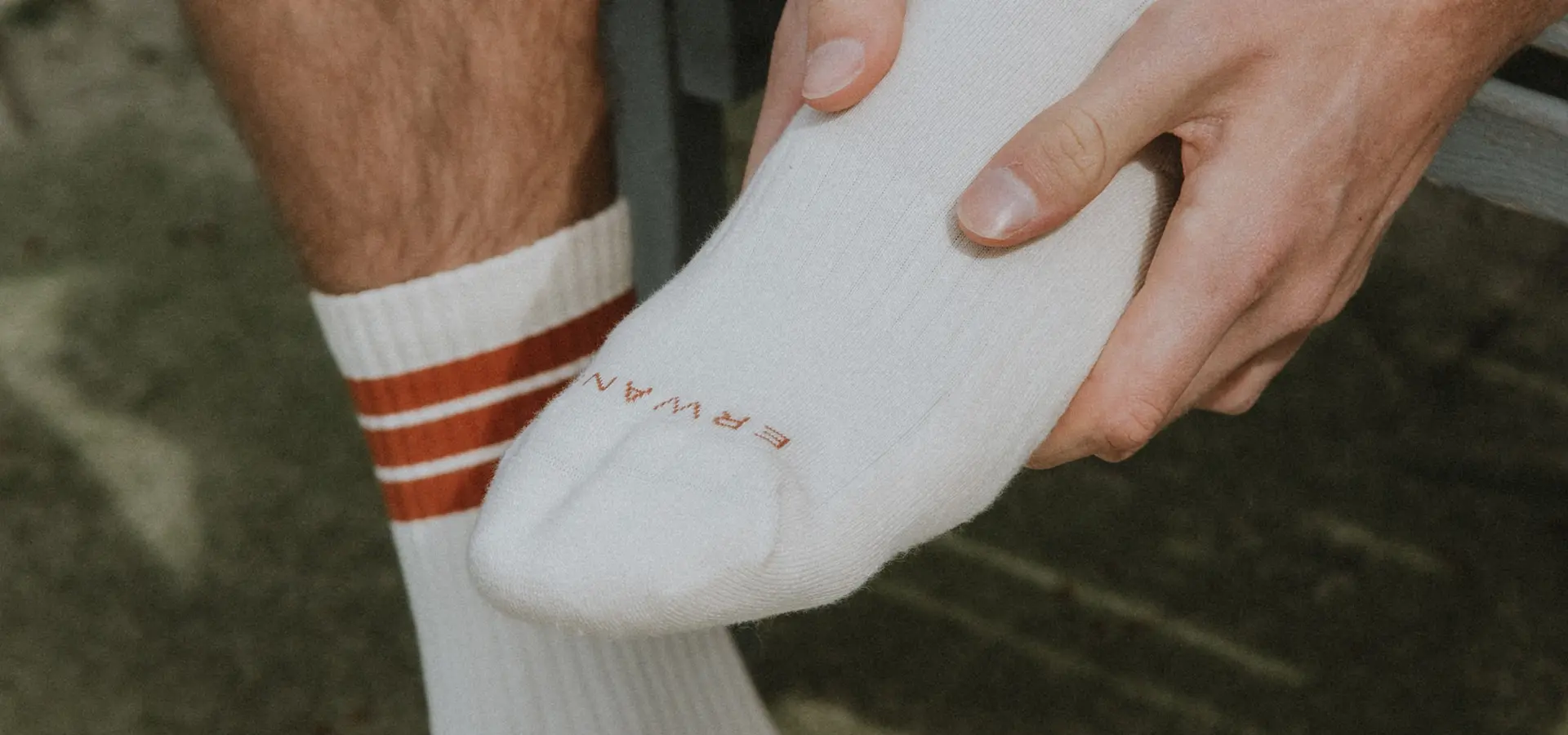
Plantar Fasciitis Rehabilitation: Walk, Run, and Live Pain-Free Again
Morning heel pain can make those first steps feel like glass—and every mile after that worse. Research-driven physical therapy calms the inflamed fascia, corrects faulty mechanics, and restores confident, pain-free movement.
Why Physical Therapy Beats “Rest and Hope”
The 2023 clinical practice guidelines for non-arthritic heel pain recommend manual therapy, stretching, taping, and progressive exercise as first-line care to shorten recovery time and cut recurrence risk (PubMed). Rest alone often delays healing, while early, guided loading stimulates collagen remodeling and strength.
Four Evidence-Backed Phases to Heal Your Heel
| Phase | Goals | Sample Actions |
|---|---|---|
| 1. De-Load & Calm (Weeks 0-2) | Reduce pain & swelling | Ice massage, gentle toe curls, low-Dye taping |
| 2. Mobilize & Lengthen (Weeks 2-4) | Restore ankle & fascia flexibility | Plantar fascia stretch, calf wall stretch, myofascial release |
| 3. Strength & Control (Weeks 4-8) | Build arch stability & shock absorption | Single-leg heel raises, short-foot drills, balance board |
| 4. Return to Run (≥ 8 weeks) | Gradual mileage and speed | Walk-run program, cadence drills, forefoot strike retraining |
Key metric: pain ≤ 2/10 during activity and the morning after before advancing mileage.
Core Components Backed by Science
1. Myofascial Release
Manual myofascial techniques produce greater pain reduction than control interventions, especially when combined with stretching (Nature).
2. Targeted Calf–Foot Strengthening
Systematic review data confirm plantar fascia and triceps surae stretching plus strengthening improve pain and gait function (mltj.online).
3. Footwear & Biomechanics Tune-Up
Over-pronation and worn-out shoes can overload the fascia. We perform gait analysis and recommend evidence-supported inserts or footwear modifications.
4. Adjunct Therapies
Dry needling, night splints, or shock-wave therapy may be layered in for stubborn cases, with moderate evidence for pain relief (Frontiers).
Frequently Asked Questions
How long until I can run again?
Most athletes resume pain-free mileage within 8–12 weeks when following a criteria-based plan.
Do I need steroid injections?
Many patients avoid injections entirely; focused PT and load management resolve symptoms in ≥ 80 % of cases.
What makes HolistiCare different?
Our therapists combine real-time gait video, certified myofascial release, and progressive loading algorithms—getting you back on your feet faster and stronger.
Ready for Lighter, Pain-Free Strides?
Schedule your evaluation today—call 808-348-6336. Your enjoyable mileage starts here.
References
American Physical Therapy Association. (2023). Heel Pain—Plantar Fasciitis: Revision 2023. Journal of Orthopaedic & Sports Physical Therapy, 53(12), CPG1–CPG39. https://doi.org/10.2519/jospt.2023.0303 (PubMed)
Najjar, W., Shakya, R., Minařík, J., & Bednarek, J. (2022). The influence of myofascial release on pain and functional indicators in plantar fasciitis. Scientific Reports, 12, 2573. https://doi.org/10.1038/s41598-022-05401-w (Nature)
Bertolini, G. R. F., da Silva, B. V., & de Souza, M. A. (2023). Therapeutic exercise in plantar fasciitis: A systematic review with meta-analysis. Muscles, Ligaments and Tendons Journal, 13(2), 219-230. https://doi.org/10.32098/mltj.02.2023.05 (mltj.online)
Samar, A., & Chen, L. (2024). The effectiveness of dry needling for plantar fasciitis: A systematic review and meta-analysis. Frontiers in Neurology, 15, 1520585. https://doi.org/10.3389/fneur.2024.1520585 (Frontiers)